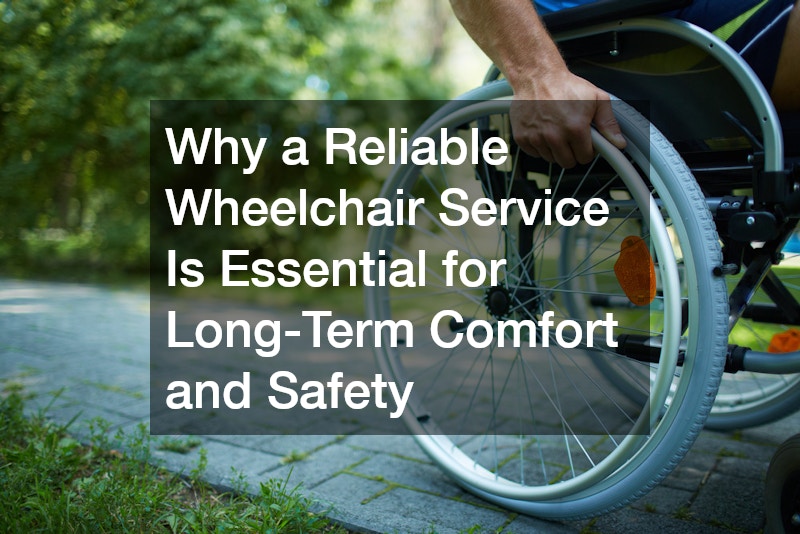
For many Australians living with a disability, assistive technology is not merely a convenience. It is a fundamental baseline for human rights, community participation and daily independence. Among these technologies, the wheelchair stands out as a highly personalised, life-changing mobility tool. However, simply obtaining a device is only the first step. For long-term comfort, physiological health and safety, anchoring this equipment to a rigorous, professional wheelchair service framework is absolutely critical.
Evidence consistently demonstrates that an ill-fitting or poorly maintained mobility device can be more limiting than the physical impairment itself, frequently resulting in device abandonment or severe physical injury. Ensuring long-term safety and comfort requires a comprehensive approach that spans clinical assessment, precise customisation and continuous diagnostic care.
The Foundation of Ergonomic Fit & Pain Prevention
A wheelchair is an extension of the human body, meaning its dimensions must precisely align with the user’s unique anatomical requirements. When an individual receives a device without the guidance of a credentialed clinical team, the ergonomic risks increase dramatically. Custom-fitting the lightest possible frame class is essential to delay the onset of chronic upper-limb pathologies, such as debilitating shoulder and wrist pain, which are exceptionally common among long-term manual users.
Furthermore, clinical adjustments such as positioning the rear axle as far forward as possible without compromising stability and ensuring the user’s elbow maintains a 100-degree to 120-degree flexion when resting on the handrim can only be achieved through specialised expertise. When these parameters are miscalculated, the user must expend substantially more manual energy to move, leading to rapid fatigue and musculoskeletal strain.
Physical comfort is also deeply linked to pelvic alignment and pressure distribution. An inappropriate seating system can cause severe postural issues, including pelvic obliquity and hip compression, which can escalate sharp pain into chronic conditions. Specialist services mitigate these risks by using advanced diagnostic tools, such as digital pressure-mapping systems, to ensure weight is evenly distributed across high-risk areas.
Protecting User Safety & Mitigating Risk
Beyond day-to-day comfort, the implementation of a structured clinical protocol is an indispensable safeguard against acute physical danger. Following a strict service provision model spanning initial referral, comprehensive assessment, prescription, funding, product preparation, fitting, user training and ongoing follow-up guarantees that devices remain safe and viable in real-world settings.
Failing to adhere to this rigorous process can lead to serious consequences. For instance, skin breakdown and pressure injuries caused by poor cushion selection can lead to autonomic dysreflexia or life-threatening systemic infections.
Safety also extends to environmental navigation and transit. Wheelchair users frequently encounter severe environmental obstacles, such as low barriers, steep drop-offs, dynamic crowds and poor visibility conditions. Navigating these real-world terrains safely requires a configuration that balances stability with necessary manoeuvrability.
Additionally, safe transport within vehicles remains a major focus of Australian safety standards. Without a dedicated clinical review, users face an elevated risk of structural equipment failure or insufficient restraint during transit, highlighting the life-saving importance of professional oversight.
Why Long-Term Maintenance Cannot Be Overlooked
A user’s physical condition and daily requirements are rarely static. Progressive health conditions, ageing, changes in weight and evolving fitness levels mean that a device prescribed today may become completely unsuitable a few years down the track. This fluid reality is precisely why a reliable wheelchair service must offer an ongoing continuum of care rather than a single, transactional appointment.
Global studies on assistive technology satisfaction show that while users are often initially satisfied with their physical devices, they frequently experience significant frustration with service-related support, particularly regarding long-term maintenance, mechanical repairs and structured follow-up. Mechanical components deteriorate over time. Castor wheels lose alignment, brakes loosen and custom foam cushions degrade, losing their pressure-relieving qualities.
Without scheduled mechanical audits, minor mechanical wear can quickly turn into a sudden failure, leaving individuals stranded or exposed to tipping accidents. Regular clinical check-ups ensure the system is continuously recalibrated to match the user’s evolving physical capabilities, keeping their mobility both safe and independent.
A Holistic Approach to Autonomy
Ultimately, the true measure of any mobility system is how effectively it supports a person’s lifestyle, community engagement and occupational choices. When an individual is provided with a custom-tailored device and backed by a reliable wheelchair service, the positive outcomes extend far beyond basic mobility.
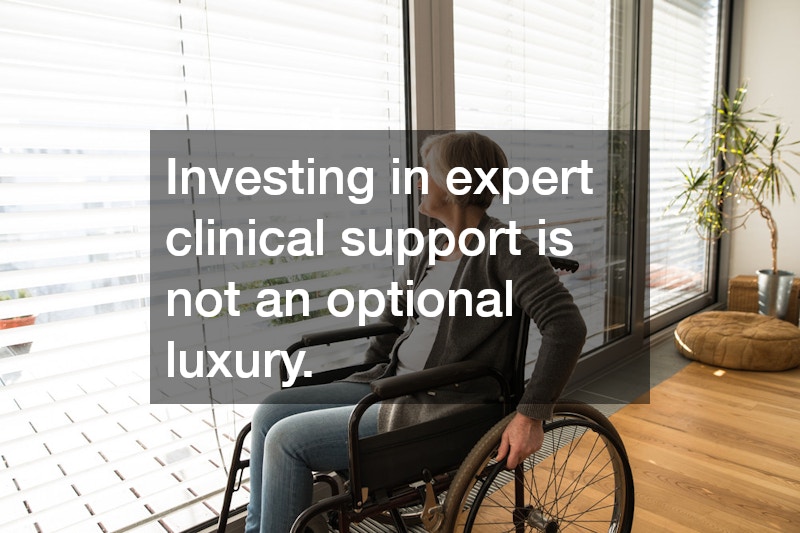
Properly fitted equipment reduces the physical and mental exhaustion of navigating daily life, giving users the confidence to participate in employment, education and social activities. Investing in expert clinical support is not an optional luxury. It is an essential foundation for long-term health, dignity and personal autonomy.