A child’s first years are filled with growth. They’re learning how to communicate, solve problems and manage emotions. During this stage, everyday experiences can shape how children approach learning later in life. A supportive environment gives them room to explore while helping them feel secure enough to try new things.
Early education isn’t just about preparing children for school. It’s about helping them build confidence, independence and social awareness.
When children are supported by caring educators and consistent routines, they can develop the building blocks they’ll use across future learning.
Supporting Social & Emotional Growth
One of the most valuable parts of early education is the way it helps children practise social skills. They learn how to share materials, take turns, listen to others and express needs. These skills may seem simple, but they help children feel more comfortable in group settings.
Strong emotional development also supports learning. When children can name feelings and recover from frustrations, they’re better prepared to focus on new tasks. Educators can guide this process by modelling calm behaviour, offering reassurance and helping children understand different responses.
Encouraging Language & Communication Skills
Language grows through conversation, stories, songs, play and daily routines. Children benefit from hearing new words, asking questions and being encouraged to explain ideas. These early communication experiences help prepare them for reading, writing and classroom discussions.
Early learning centres often provide rich language opportunities through group time, storytelling, pretend play and one-on-one conversations. When educators respond to children’s interests, they create natural moments for vocabulary growth. A child who talks about building a tower or watching insects outside is also learning how to describe, compare and connect ideas.
Building Confidence Through Play
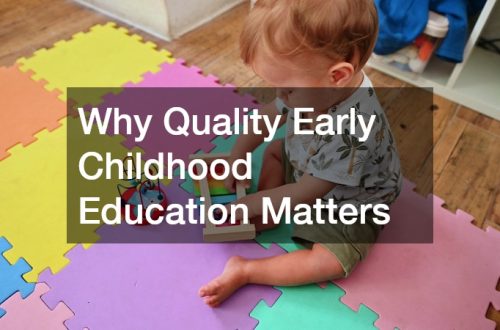
Play is one of the main ways children learn. It allows them to test ideas, make choices, solve problems and practise new skills without pressure. Through play, children can explore counting, movement, storytelling, cooperation and creativity in ways that feel natural.
Blocks, puzzles, art materials and outdoor spaces all support different kinds of learning. A child building with blocks may be experimenting with balance and design. A child painting may be strengthening fine motor skills. A child joining a pretend café game may be developing communication.
Creating Routines That Support Independence
Predictable routines help children understand what comes next. This sense of structure can reduce anxiety and make transitions easier. Over time, children learn how to pack away materials, wash their hands, join group activities and care for belongings.
Independence grows when children are given chances to try. Simple responsibilities, such as choosing an activity, serving a snack or helping tidy a space, can help them feel capable. Educators can support this by offering guidance while allowing children to make age-appropriate decisions.
Preparing Children for School Readiness
School readiness involves more than knowing letters and numbers. Children also need to follow instructions, manage transitions, interact with peers and stay engaged with tasks. These skills develop through supportive daily practice.
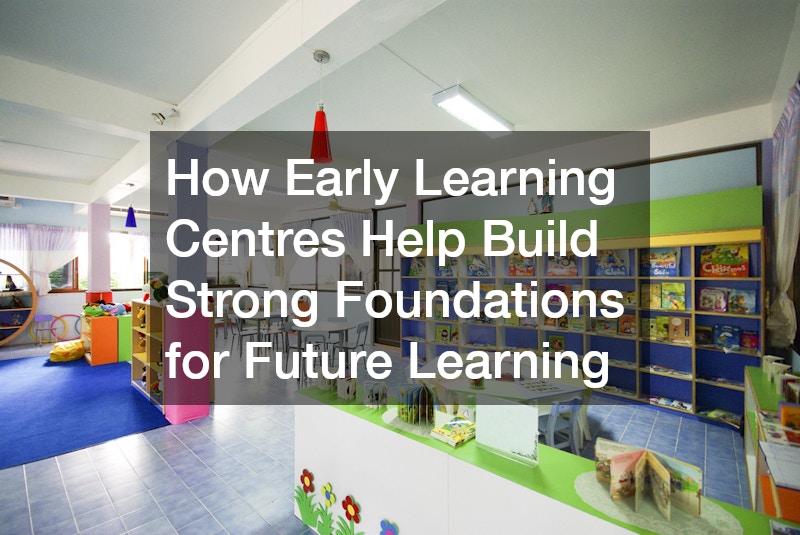
Early learning centres can help children become familiar with group learning environments before they enter formal schooling. They may sit for stories, participate in songs and learn how to ask questions. These experiences make the move into school feel less overwhelming.
Foundational literacy and numeracy can also be introduced through everyday play. Counting blocks, sorting colours, recognising names, noticing signs and listening to rhymes all support early learning. When these moments are woven into enjoyable activities, children can build skills without feeling rushed.
Nurturing Curiosity & Problem-Solving
Young children are naturally curious. They want to know why things happen, how objects work and what they can create. A strong early learning environment encourages this curiosity instead of shutting it down.
Educators can ask open-ended questions, offer interesting materials and invite children to make predictions. For example, water play can lead to conversations about floating, sinking, pouring and measuring. A nature walk can spark questions about leaves, insects and weather.
Problem-solving also develops through small challenges. Children may figure out how to fit puzzle pieces together, negotiate roles in a game or rebuild a tower that has fallen. Each moment helps them practise persistence, flexible thinking and decision-making.
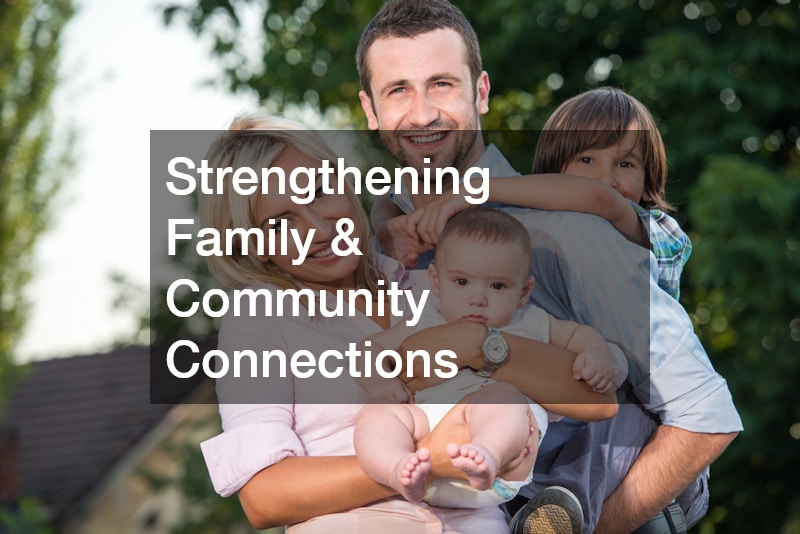
Strengthening Family & Community Connections
Families play the most important role in a child’s development, and education works best when families and educators communicate well. Regular updates and open conversations help everyone understand a child’s needs, interests and progress.
Early learning centres can also help children feel connected to a wider community. They may learn about different cultures, celebrations, family structures, local environments and ways of caring for others. These experiences support respect, belonging and awareness.