The transition from the carefree days of toddlerhood to the structured world of “big school” is a massive milestone for both kids and parents. In Australia, we often call this first year Kindergarten, Prep, or Reception depending on which state you’re in, but the nerves remain the same regardless of the name. You might be wondering if your little one is truly prepared to swap the sandpit for a desk.
The truth is, early childhood education isn’t just about knowing how to write your name or count to twenty. It’s about the holistic development of a child—their social, emotional and physical readiness to navigate a new environment.
If you’re feeling a bit anxious about the upcoming school year, don’t worry. There are plenty of simple, low-pressure ways to bridge the gap at home. Here are five key skill areas to focus on to ensure your child feels confident on day one.
1. Mastering Their Personal Independence
One of the biggest shifts when moving into a school environment is the expectation of self-reliance. In a classroom of twenty or more students, the teacher can’t always be there to zip up every jacket or open every yoghurt tub. Working on these “self-help” skills at home is a fantastic way to build your child’s confidence.
Start by practicing the “lunchbox challenge.” Sit on the floor for a picnic and let them try to unwrap their own cling wrap and pop open their own containers. It sounds small, but a child who can manage their own snacks feels much more empowered during recess. Similarly, encourage them to dress themselves, focusing on tricky bits like turning socks the right way or managing buttons. If they’re still struggling with laces, there’s no shame in sticking to Velcro for the first year. The goal is to make them feel like they can “do it themselves” without needing to ask for help every five minutes.
2. Developing Their Social Connections
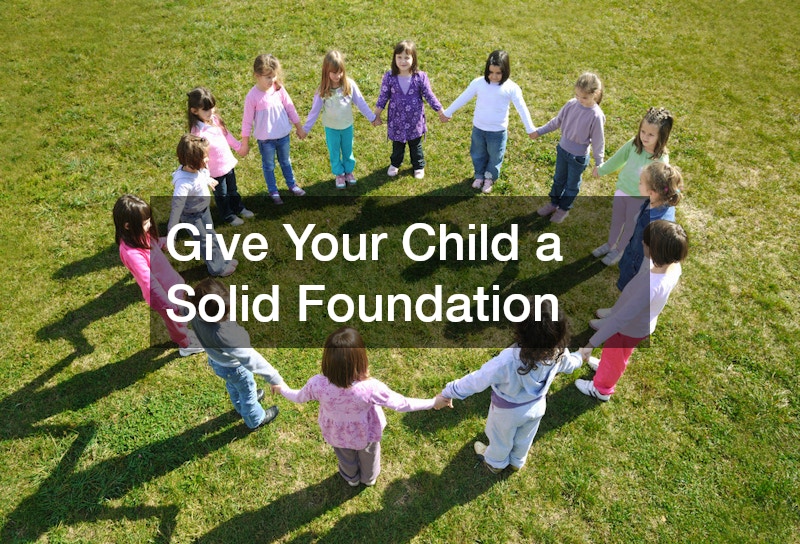
School is as much a social experiment as it is an educational one. While early childhood education programs do a great job of introducing group dynamics, you can reinforce these lessons through playdates and family time. The ability to share, take turns and wait is the foundation of a happy classroom experience.
You don’t need a formal lesson plan to teach this. Board games or simple card games like “Snap” are perfect tools for learning how to win and lose gracefully. Talk to your child about how to introduce themselves to new friends or what to do if they want to join in a game of tag. Role-playing these scenarios can take the “scary” factor out of the unknown. Encouraging them to use their words to express frustration rather than acting out is also vital. When they can navigate the playground with a bit of social savvy, they’re much more likely to enjoy their time at school.
3. Fine-Tuning Their Motor Skills
We often think about reading and writing, but the physical strength required to hold a pencil or use scissors is something that needs to be built up over time. Developing fine motor skills is a prerequisite for the more formal academic work they’ll encounter in the classroom.
Instead of forcing them to practice their ABCs over and over, try activities that strengthen the small muscles in their hands. Playing with playdough, threading beads onto a string or using tweezers to pick up pom-poms are all excellent for “finger fitness.” You can also set up a craft station where they can practice cutting along straight and wavy lines. It’s not about producing a masterpiece; it’s about the process of controlling the tool. Even playing with LEGO or building blocks helps with the hand-eye coordination they’ll need when they eventually start forming letters on a page.
4. Building Their Emotional Resilience
Starting school is a long day for a little person, and it’s inevitable that they’ll face some big emotions. They might feel tired, frustrated by a difficult task or sad because they miss you. Building emotional resilience is about giving them the tools to handle these feelings without becoming completely overwhelmed.
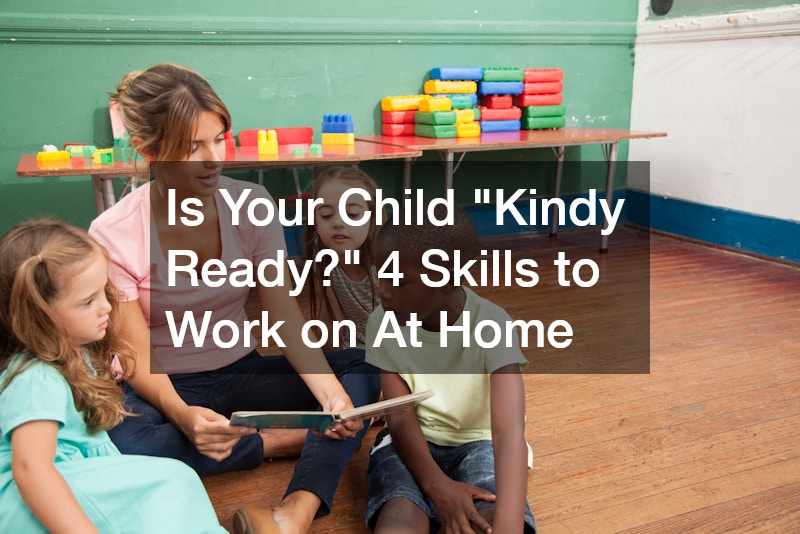
You can help by talking openly about feelings at home. Read books about starting school and ask them how the characters might be feeling. It’s also important to establish a solid routine before the school year begins. Knowing what to expect—from a consistent bedtime to a predictable morning rush—provides a sense of security. Teach them simple calming techniques, like taking “belly breaths” when they feel upset. When a child knows that it’s okay to feel nervous and that they have the internal tools to cope, they’ll approach the school gates with a much steadier heart.
At the end of the day, “Kindy readiness” isn’t about passing a test or being the smartest kid in the room. It’s about ensuring your child feels comfortable, capable and curious about the world around them. Every child develops at their own pace, so don’t be discouraged if your little one hasn’t mastered everything on this list just yet.
By focusing on these five areas—independence, social skills, motor development, resilience and communication—you’re giving them a solid foundation to build upon. Most importantly, keep the tone positive. If you’re excited about the adventure ahead, they likely will be too.